
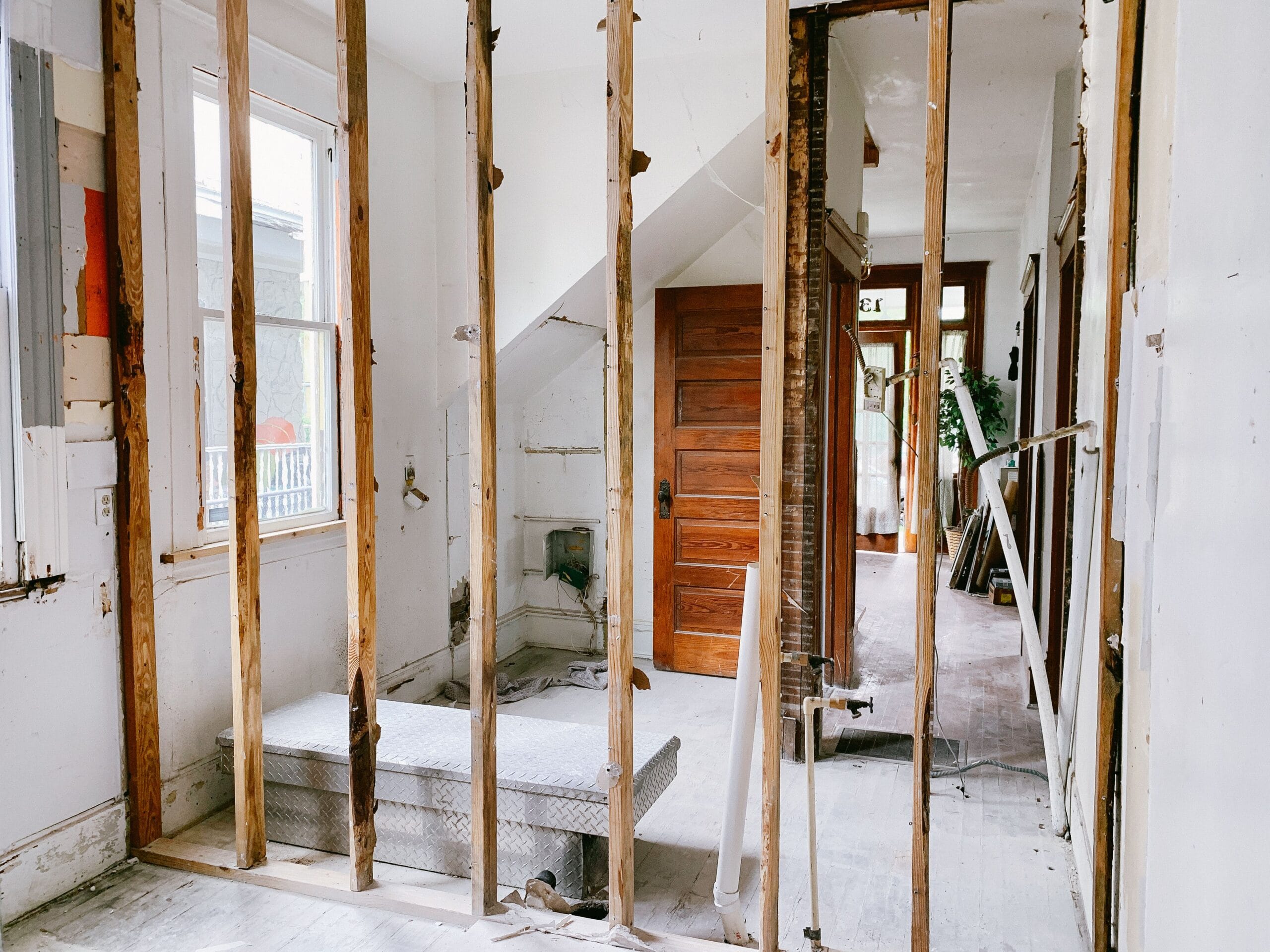
Not every renovation project is just about cosmetic updates - some problems call for structural improvements instead. New flooring, fresh paint, or updated fixtures can transform a room's look in a weekend. But when the real issue is how a space functions - not just how it looks - the fix has to go deeper, into the layout and structure itself. Figuring out early on whether you're dealing with a cosmetic fix or a structural issue makes it much easier to plan the renovation and know exactly what work needs to happen.
What are Cosmetic Updates
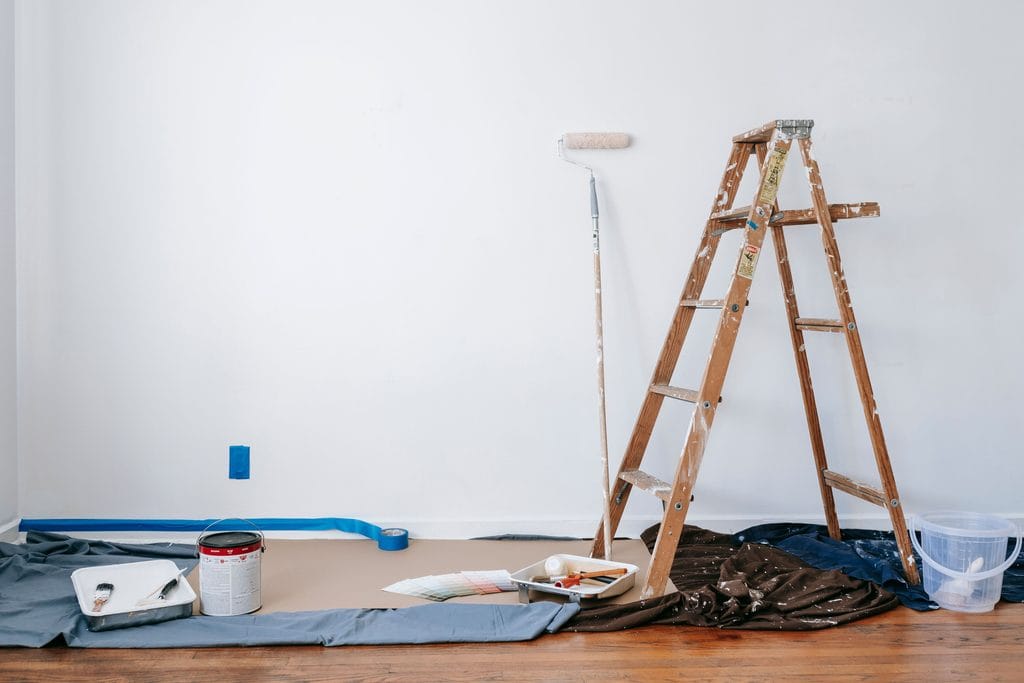
Cosmetic updates are the easiest to notice, as they are surface-level. They primarily enhance the aesthetics without altering the floor plan or the structure of the house.
Cosmetic upgrades include:
- New paint colors on the walls or ceilings
- Flooring replacement
- New lighting fixtures
- Faucet replacements and cabinet hardware
- Countertop installation
- Cabinet replacements
Even a kitchen with worn cabinets, dull paint, and old flooring can look completely transformed with a few cosmetic updates. New counters, updated fixtures, and fresh cabinet finishes are often all it takes to make a dated kitchen feel modern again.
Keep in mind that cosmetic work only changes appearance; it doesn't address problems behind the walls or affect the structure or functionality of a space.
What are Structural Improvements
Structural improvements go deeper than the surface. These upgrades impact the entire structure of a home, including its layout, systems, and construction.
Structural updates include:
- Wall removal
- Creating new layouts for rooms
- Upgrading the electrical/plumbing systems
- Repairing damaged framing
- Fixing issues caused by moisture or water damage
- Improving the functionality of a space
Since there is a greater risk of impacting multiple areas of a home, structural upgrades require significantly more planning than cosmetic upgrades. A good example is removing a wall. While it might seem like an easy way to open up a room, it often requires verifying whether that wall is load-bearing. Otherwise, if a load-bearing wall is removed without proper support in place, it can compromise the structural integrity of the home.
Why Knowing the Difference Matters
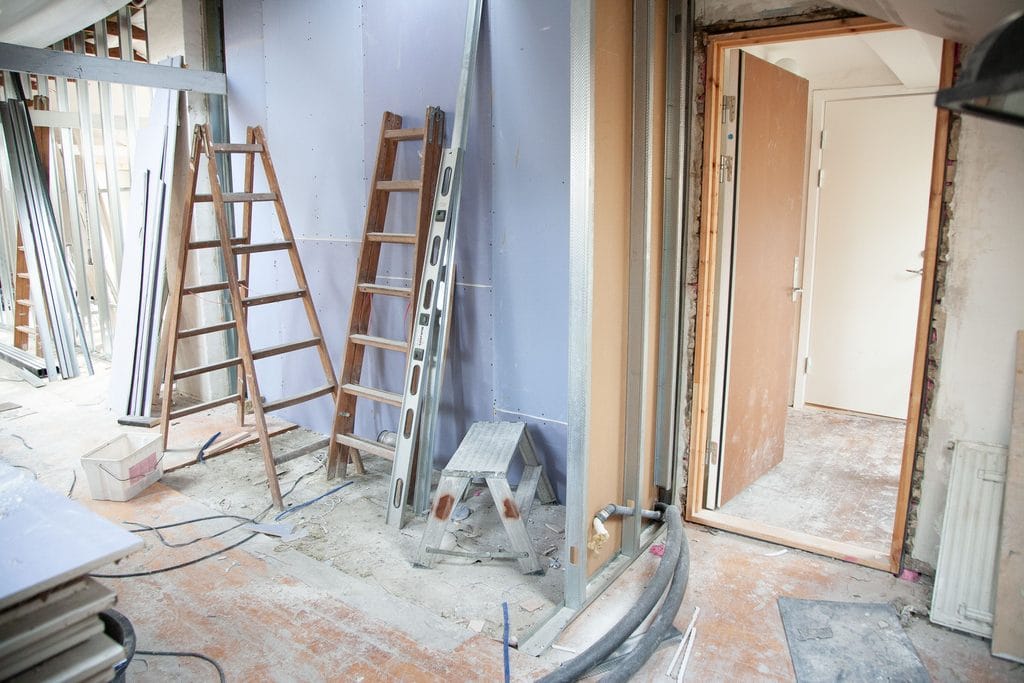
One of the most common mistakes in remodeling is assuming a project only involves what's visible on the surface. For example, a homeowner might want to update their bathroom, but once renovation begins, the team discovers outdated plumbing or water-damaged walls behind the scenes. These issues need to be addressed before any cosmetic work can move forward.
Spending time evaluating your existing space will allow you to recognize any possible complications like water damage or outdated systems. Additionally, this process will enable your construction crew to develop a much clearer outline for materials, timeline, and labor. A cosmetic refresh might take 1-2 weeks, while structural work can extend a project timeline to 4-8 weeks or more.
Planning simply means understanding what your project requires before you begin - so there are fewer surprises once work starts.
Combining Both Types of Work in Most Larger Remodels
Most larger-scale remodeling projects consist of both cosmetic upgrades and structural improvements. According to a 2025 This Old House survey, 50% of homeowners renovate to improve the appearance of their home, while 49% renovate to make necessary repairs - showing that cosmetic and structural motivations are often closely tied together rather than separate decisions.
Kitchen remodels are a great example of combining both types of work. In addition to making structural changes such as modifying the layout or upgrading electrical systems and plumbing, cosmetic details including cabinets, countertops, backsplashes, and finishes will ultimately provide the final design vision.
Each area is equally important. The structural work ensures the kitchen functions properly, while the cosmetic work makes sure it looks the way you want.
Deciding Which Approach Is Best for Your Home
All renovation projects begin with identifying the present state of your space along with establishing your project's objectives.
If you want to update the look of a single room, then cosmetic upgrades may be sufficient. However, if you're looking to modify a layout, resolve previously identified issues, or implement significant changes, then structural work will likely be necessary.
Recognizing the differences helps homeowners set clear expectations for the time, work, and investment each type of project requires
Regardless of whether you're undertaking a minor renovation or a full gut remodel, your results will benefit from careful planning, experienced craftsmanship, and attention to detail throughout the process.
References
Angi: Who Can Check if a Wall Is Load-Bearing?
Block Renovation: Home Renovation Timeline: All 15 Phases Explained
This Old House: Homeowner Survey: 48% Plan To Renovate in 2025
0 Comments