
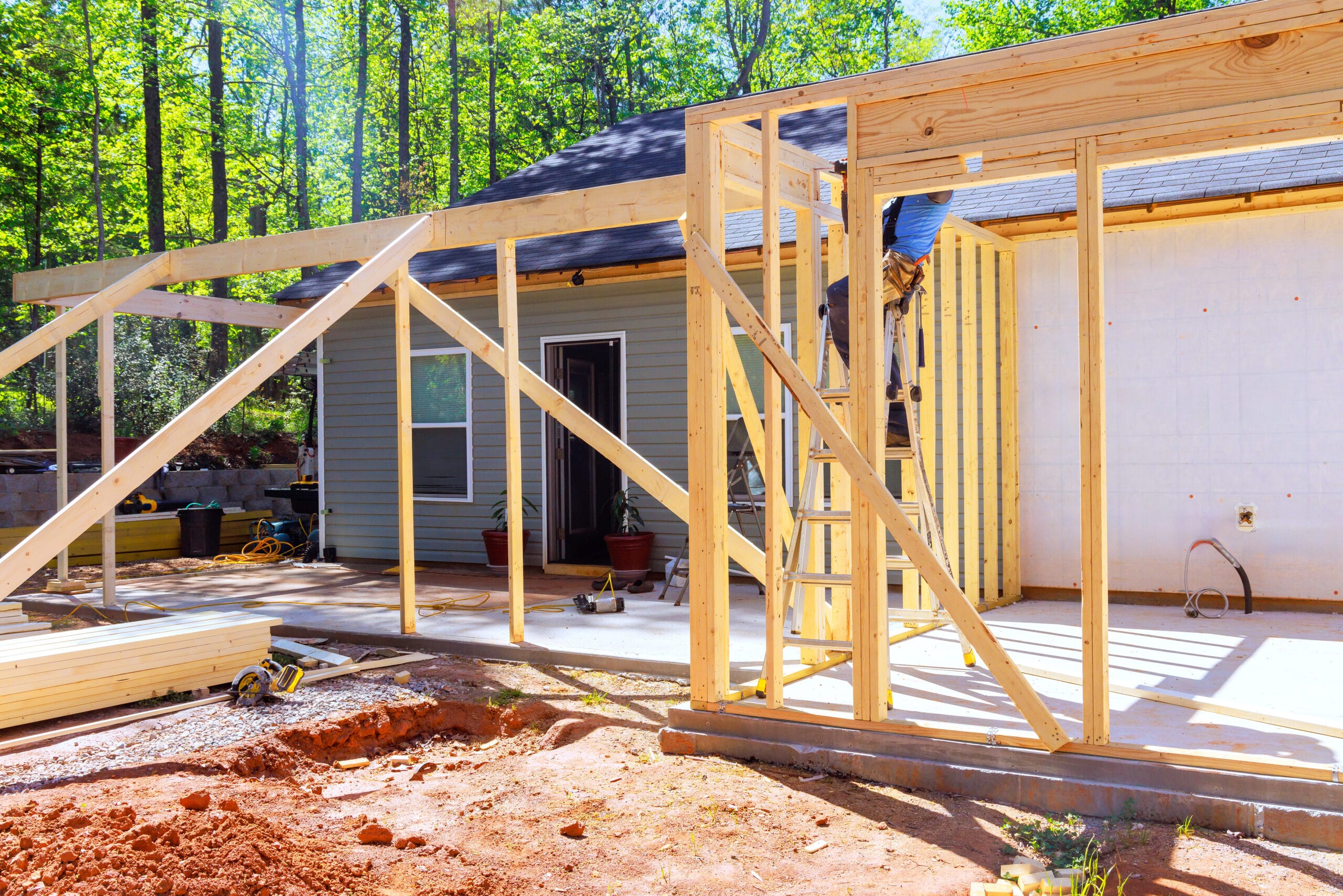
Whether you’re adding a master suite, expanding our kitchen, or building a second story, a home addition is one of the biggest investments you’ll make in your home. Proper planning can save thousands of dollars, reduce delays, and ensure your newly finished space serves a purpose that is right for you.
Here’s what every homeowner should know before beginning a home addition project.
Define Your Goals
Think about why you are adding more space to your home. Taking the time to clearly define your goals up front will help shape every decision that follows. Create a list of priorities of must-haves and nice-to-haves. Ask yourself questions like:
- How will you be using this new space?
- Are your needs temporary or long-term?
- How important is resale value?
- Is remodeling your existing space a better option?
Understand Your Property
Before drawing plans and getting too far ahead into the project, determine whether your property can accommodate an addition. Getting a professional site evaluation early in the process can prevent expensive redesigns or permit delays later. Review items like:
- Property setbacks
- Easements
- Flood zones
- Existing utilities
- Septic or well location
- HOA restrictions
Establish Your Budget
There is more to consider than simply the costs of construction. A professional contractor can help you estimate these costs, but as you plan ahead it's important to consider the following when creating a budget:
- Design or engineering fees
- Permits
- Utility upgrades
- Site construction work
- Finishing selections
- Contingency (10-15%)
Design Around Your Lifestyle
Think long term. The perfect addition will be able to solve today’s problems while preparing for tomorrow. Consider questions like:
- Will you age in place?
- Would you like ADA compliant doorways and fixtures?
- Future first-floor bedroom?
- A larger kitchen?
- Future family gathering space?
- More natural light?
Choose the Right Addition
Bump-Out
● Small footprint, lower cost, great for kitchens and bathrooms
Room Addition
● Bedroom, office, family room
Garage Addition
● Attached or detached, can add living space above
Second Story
● Ideal for limited lot space
Sunroom
● Adds usable living space with abundant natural light
Obtain Proper Permits
Depending on the township, most additions require a combination of the following permits with inspections occurring between each phase of the project:
- Zoning approval
- Building permit
- Electrical permit
- Plumbing permit
- HVAC permit
Select Materials Early
Many delays can occur because of homeowners waiting too long to choose finishes. Ensure that your contractor has clear communication on what all of your options are and when the deadline for your decision is to keep the project on schedule. Early selections keep the projects moving.
Prepare for Construction
Construction affects daily life. A good contractor will explain the process before it begins, but it is helpful to know what to prepare for ahead of time. Plan for things like:
- Dust control
- Noise
- Parking of work vehicles around the property
- Material deliveries
- On-site dumpsters or outhouses
Work With a Design-Build Contractor
Having one team in charge from concept to completion improves communication, minimizes costly surprises, and can save you headaches. A professional company like this will manage the design, budget, permits, scheduling, and construction, along with any subcontractors that may be involved in building a multifaceted addition.
Don’t Forget the Exterior
It’s easy to spend so much time focusing on the interior of the space and how it will be used, that the finishing exterior touches that make the addition look seamless can get forgotten. When finished properly, visitors shouldn’t be able to tell where the original home ends and the addition begins. You should consider the following:
- Matching rooflines
- Siding
- Windows
- Trim
- Gutters
- Exterior lighting
FAQ’s
Q: How long does planning take?
A: Typically 3-6 months, depending on the complexity of the project and permitting
Q: Do I need permits?
A: Yes, nearly all home additions require both permits and a list of inspections before work can start.
Q: Can I live in my house during construction?
A: Often yes, though larger additions may temporarily disrupt parts of the home.
Q: Will an addition increase my home's value?
A: A well-designed addition can add value, though the return varies based on the project and local market conditions.
0 Comments