
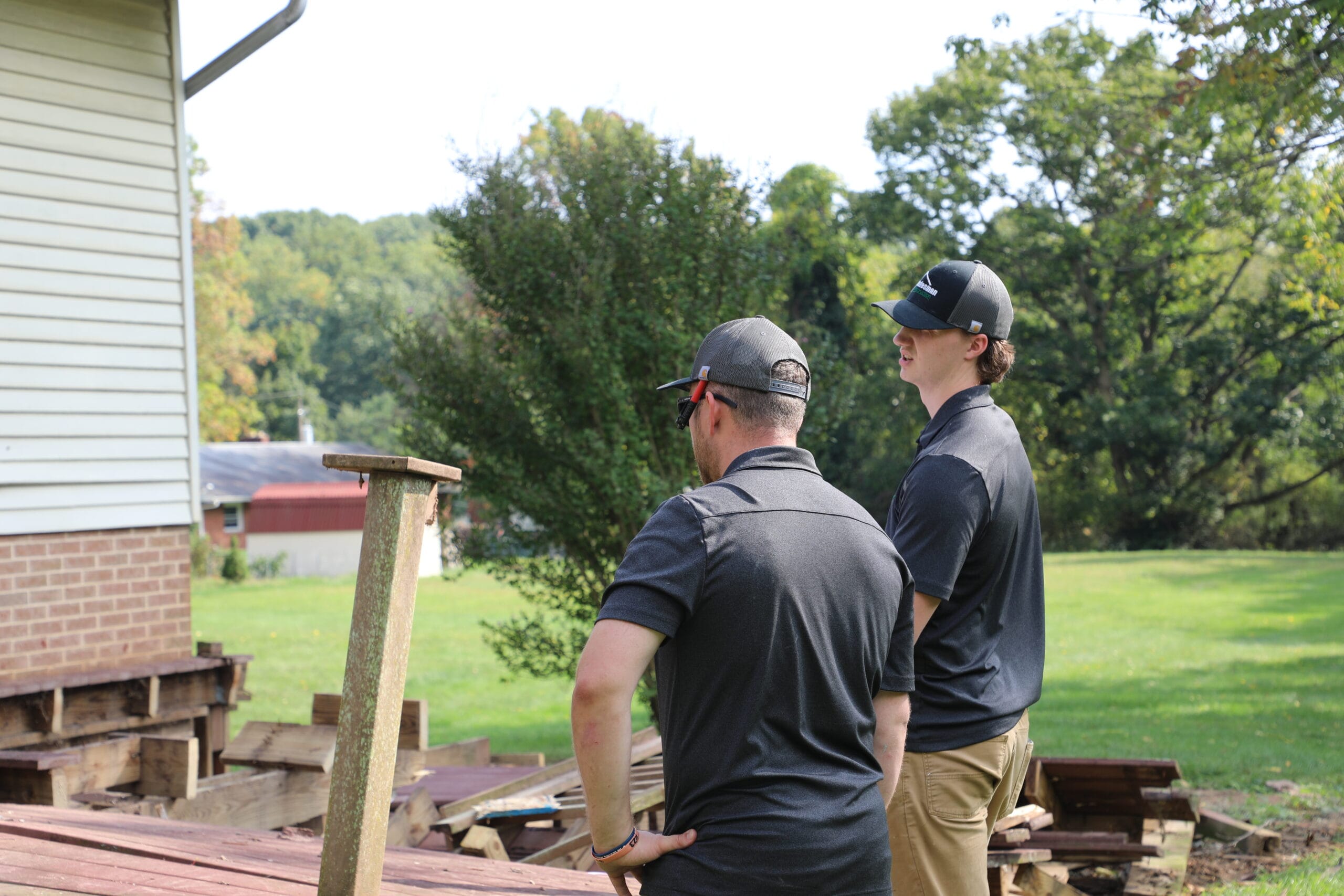
From the exterior, an older home may appear to be nothing more than a simple, unadorned box. However, once the walls begin to come down, the complexity and surprise that lie beneath quickly become noticeable.
What appears to be nothing more than a surface-level repair to replace damaged drywall, cabinets, or flooring can result in old wiring, a previously unknown plumbing issue, evidence of past leaks and water damage, or multiple layers of unresolved repairs. That is part of what sets remodeling an older home apart from newer projects. The home already has a history. Part of that history may be hiding in plain sight behind the finished surfaces.
The Problem May Be Bigger Than It Looks
A small section of damaged drywall may not necessarily indicate that there is only a minor problem. The surrounding materials may have been compromised due to an old leak. Additionally, a previous repair may have masked problems that still exist today.
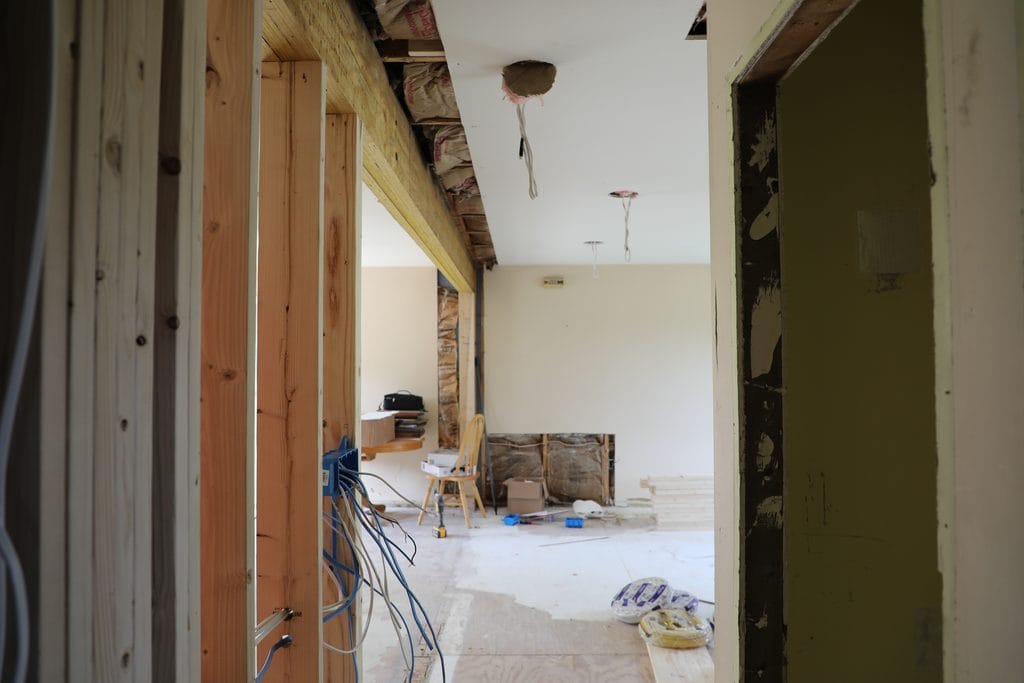
Similar issues arise with framing and other components of a home. A wall may have been repaired numerous times over the years. While this may leave behind layers of various repair attempts, these layers do not always line up. This is where demolition comes in and changes the picture. What appeared to be a fairly routine repair at first glance, based upon the walkthrough, may need an alternative solution once the surrounding materials are exposed.
Plumbing, electrical wiring, and structural elements (such as studs) are examples of items that may be present in a wall, but aren't visible from the finished room.
Older Materials Need More Attention
When considering whether to demolish parts of your older home and then renovate, the age of the home plays a significant role in determining how you proceed.
One good example is lead-based paint. The Environmental Protection Agency estimates that approximately 87 percent of all homes built before 1940 contain some form of lead-based paint. Approximately 24 percent of homes constructed between 1960 and 1978 also contain some type of lead-based paint. These percentages don't mean every older home contains lead hazards. However, they do suggest that the age of the property is relevant when evaluating painted surfaces for potential disruption. Lead-based paint creates hazardous dust during renovation, repair, or painting.
Other types of materials used in older homes may require similar consideration. Many older homes contain asbestos in products such as flooring, insulation, siding, or other building materials. Asbestos-containing materials must be treated with extreme care. Any suspect asbestos-containing materials should NOT be removed as part of standard demolition.
Previous Renovations Can Create Surprises
An older home may have undergone renovations multiple times before the current project. At times, those renovations were well-planned. Other times, the house simply evolved as each successive owner made modifications.
Doors may have been shifted. Portions of walls may have been removed. Plumbing lines may run in unconventional routes. Electrical systems may consist of wiring from multiple eras. It's not necessary to conclude that anything was done improperly. It simply indicates that any future remodel will need to accommodate what is actually present in the space.
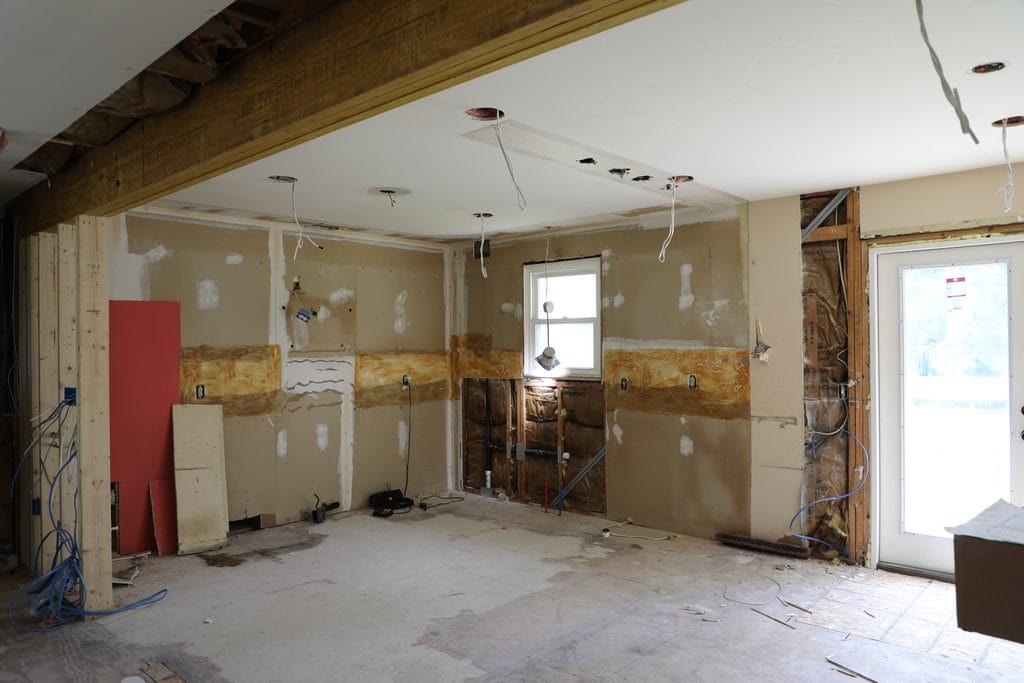
For instance, changing a kitchen layout may reveal that plumbing needs to be relocated. Removing a wall may expose framing that does not align with current plans. Replacing old drywall may expose dampness that existed for decades and was previously hidden.
Water Damage Can Hide For Years
In older homes, moisture is a particular concern. If an old ceiling stain was originally caused by a leak that was subsequently repaired, it may appear cosmetic in nature. However, there could be damaged drywall, rotted wood, or wet insulation that was never dried out from behind the stain.
According to the EPA, controlling moisture is essential to preventing mold growth, and the agency recommends drying water-damaged areas within 24–48 hours. Finding the origin of moisture damage is as important as fixing the damage that can be seen.
Painting over stains may improve their appearance, but it doesn't resolve the underlying cause.
The House Has a History
The most challenging aspect of remodeling an older home typically isn't the age itself. Rather, it is everything that occurred to the home before starting the current project.
Walls have been moved. Materials have been replaced. Repairs have been completed. Often, those earlier changes complement each other well. Other times they create unforeseen limitations that only become evident once construction commences.
There is no reason that an older home must lose its original charm to undergo a remodel. In fact, it is those original characteristics that justify its value.
An older home's history doesn't have to be a reason to avoid remodeling it, it's just a reason to plan carefully. If you're considering a renovation, it's worth having an experienced contractor walk through the space with you before any walls come down.
References
EPA: Lead-Safe Renovations for DIYers
EPA: A Brief Guide to Mold, Moisture and Your Home
EPA: Lead, Asbestos, and Mold in Older Homes
Tidewater Structures: Remodeling an Older Home: What Should You Expect?
Carpenter Beach Construction: What Lurks Behind the Walls? Real Historic Home Problems
0 Comments